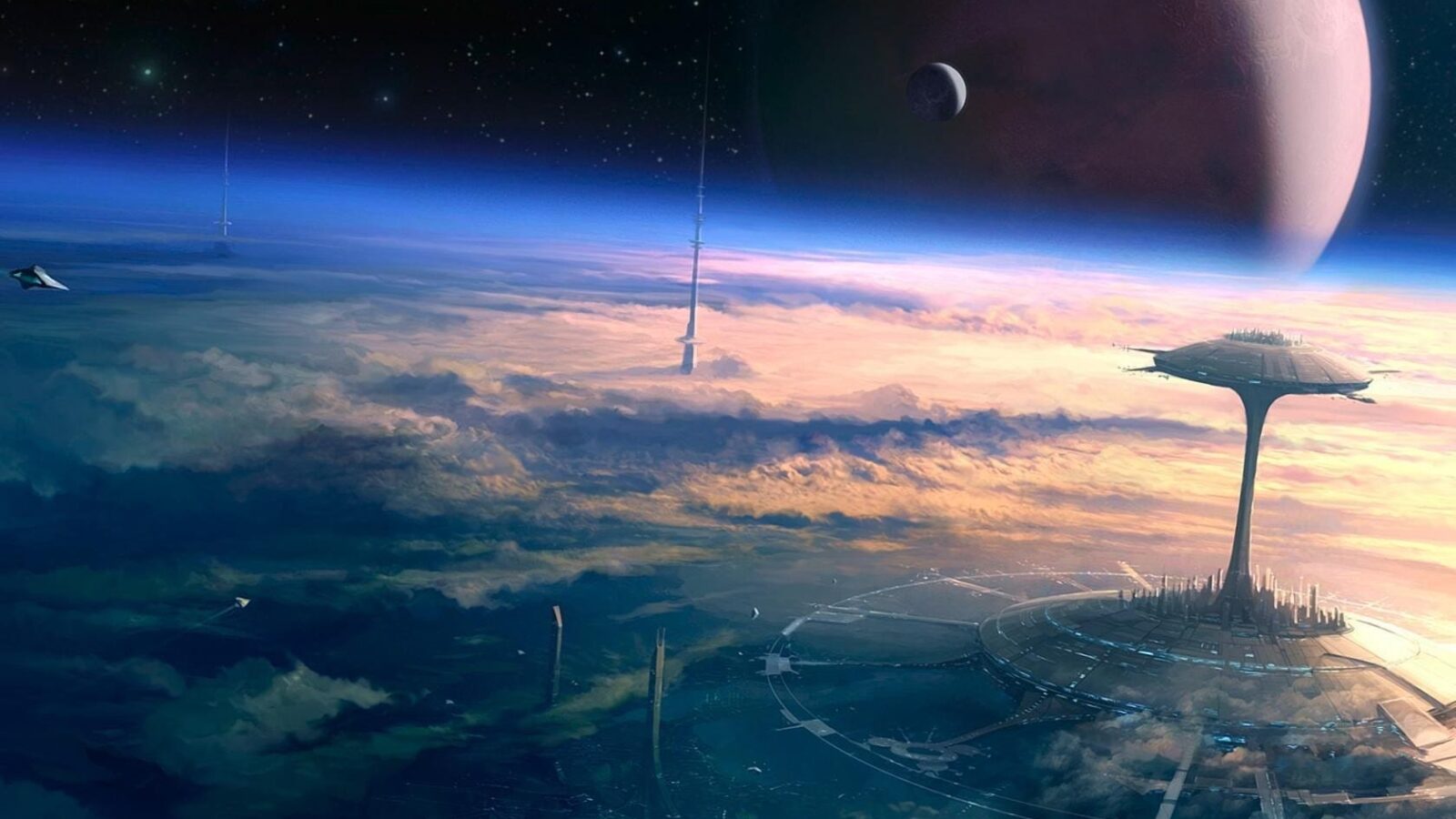

Science fiction has always been more than just stories about spaceships and distant galaxies. At its core, sci-fi is a lens—a way of imagining possibilities, questioning reality, and exploring the limits of human potential. From dystopian futures to interstellar adventures, the genre continues to evolve alongside our deepest hopes and fears.
One of the most fascinating aspects of science fiction is its ability to predict—or at least inspire—real-world innovation. Concepts like artificial intelligence, space travel, and even virtual reality were once purely speculative. Today, they are part of everyday conversation, and in some cases, everyday life. Sci-fi doesn’t just imagine the future; it nudges humanity toward it.
But the genre isn’t only about technology. It often asks deeply human questions: What does it mean to be conscious? How do we define identity? Can humanity survive its own creations? These philosophical undercurrents give sci-fi its emotional weight. A story set on a distant planet can still feel intimate because it reflects struggles we recognize—fear, ambition, love, and survival.
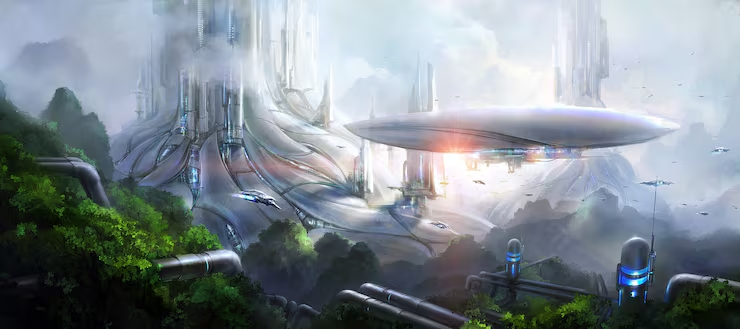
As science fiction continues to grow, its relationship with reality becomes even more intertwined. Modern sci-fi doesn’t just speculate wildly—it often builds on current scientific research, making its visions feel startlingly plausible. Topics like genetic engineering, quantum computing, and space colonization are no longer distant fantasies but active areas of exploration. This grounding in reality makes the genre more immersive—and sometimes more unsettling.
Take, for instance, the rise of artificial intelligence in storytelling. Sci-fi has long imagined machines that think and feel, but today’s advancements blur the line between fiction and reality. Stories about sentient AI no longer feel like distant possibilities; they feel like warnings or previews. This shift gives science fiction a new urgency, turning it into a space where ethical debates can unfold before technologies fully mature.
Another compelling direction in sci-fi is its focus on the environment. Climate fiction, often called “cli-fi,” has emerged as a powerful subgenre. These stories explore futures shaped by ecological collapse, resource scarcity, and adaptation. While they can be bleak, they also highlight resilience and innovation, reminding us that even in dire circumstances, humanity searches for solutions.
Sci-fi also plays a crucial role in exploring identity and society. By placing characters in unfamiliar worlds or altered realities, the genre creates space to examine issues like inequality, discrimination, and cultural conflict. Alien civilizations, for example, often mirror human societies, allowing writers to critique real-world systems without direct confrontation. This metaphorical approach makes difficult topics more accessible while still being impactful.
The visual and cinematic side of science fiction has further amplified its influence. With advancements in special effects and storytelling techniques, filmmakers can now bring even the most ambitious visions to life. These visual experiences not only entertain but also shape how audiences imagine the future—what it looks like, how it feels, and who gets to be part of it.
Looking ahead, the future of science fiction seems boundless. As technology evolves and global perspectives continue to diversify, the genre will likely become even more innovative and inclusive. Stories may explore consciousness beyond the human brain, civilizations beyond our galaxy, or entirely new forms of existence that challenge our current understanding of life.
In the end, science fiction remains a bridge between imagination and reality. It encourages us to think critically, dream boldly, and question everything. Whether it’s through books, films, or emerging digital experiences, sci-fi continues to push the boundaries of storytelling—and, in doing so, pushes the boundaries of what we believe is possible.
The universe of science fiction is infinite. And perhaps that’s its greatest strength: no matter how far we go, there will always be another idea waiting just beyond the horizon.